
Blog
- October 21, 2026
How Long Does It Take to Adjust to New Hearing Aids?
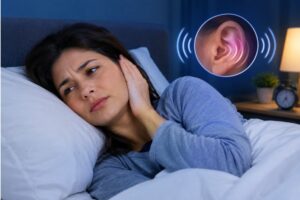
Getting new hearing aids is an important step toward better hearing and communication. However, wearing hearing aids for the first time can feel different from what you expected. Sounds may seem louder, your own voice may sound unusual, and everyday noises you barely noticed before may suddenly become more noticeable.
This is a normal part of the adjustment process for many people. Your ears and brain need time to get used to hearing sounds that may have been missing for months or even years.
Most people need a few weeks to adjust to new hearing aids, although the process can take several months for some individuals. The exact time depends on your hearing loss, hearing aid settings, how consistently you wear your devices, and your personal listening needs.
Understanding what to expect can help you feel more comfortable and confident as you begin using your hearing aids.

How Long Does It Usually Take to Get Used to Hearing Aids?
For many new hearing aid users, the adjustment period takes approximately two to four weeks. However, some people may need six to eight weeks or longer to feel comfortable in different listening environments.
Your brain needs time to relearn how to process sounds that have become less familiar because of hearing loss.
Here is a general timeline of what you might experience.
First Few Days: Getting Used to New Sounds
During the first few days, you may notice sounds that seem unusually loud or different.
For example:
- Your own voice may sound louder or unfamiliar.
- Background noises may be more noticeable.
- Everyday sounds like footsteps, running water, or paper rustling may seem louder.
- You may feel more aware of the hearing aids in your ears.
These experiences are common when you first start wearing hearing aids. Begin in comfortable listening environments and follow your hearing care professional’s recommended wearing schedule.
Week 1 to 2: Becoming More Comfortable
After the first week, many people begin feeling more comfortable with their hearing aids.
You may notice improvements such as:
- Conversations becoming easier to follow in quiet environments.
- Everyday sounds beginning to feel more natural.
- Greater comfort when wearing your devices.
- Increased confidence using hearing aids throughout the day.
You may still have difficulty hearing conversations in noisy places, such as restaurants or family gatherings. This does not necessarily mean your hearing aids are not working correctly.
Week 3 to 4: Improving Listening Confidence
By the third or fourth week, many users notice that listening feels more familiar and less distracting.
You may experience:
- Better awareness of conversations and surrounding sounds.
- Less distraction from common background noises.
- Improved confidence in social situations.
- Greater comfort with hearing aid controls and daily maintenance.
However, your hearing aids may still need adjustments to match your listening preferences.
After One Month: Continued Improvement
Some people feel comfortable with their hearing aids within a month, while others need additional time.
If certain sounds remain uncomfortable or speech is still difficult to understand, your audiologist can review your hearing aids and make necessary adjustments.
Remember that hearing aids improve access to sound, but they do not restore hearing to normal. Some challenging listening situations may continue to require additional communication strategies.
Why Does It Take Time to Adjust to New Hearing Aids?
Hearing loss often develops gradually. Over time, your brain becomes accustomed to receiving less sound information.
When you start wearing hearing aids, your brain receives sounds that may have been difficult to hear for a long time.
This change can initially feel overwhelming.
Several factors can influence how quickly you adjust.
1. Degree of Hearing Loss
People with more significant or long-standing hearing loss may need additional time to become comfortable with amplified sounds.
2. Previous Hearing Aid Experience
First-time users often need more time to adjust than people who have worn hearing aids before.
However, even experienced users may notice differences when switching to a new hearing aid model.
3. Hearing Aid Fit and Programming
Properly fitted hearing aids can make the adjustment process more comfortable.
Your audiologist may adjust amplification levels, sound processing, and other settings based on your hearing test results and listening needs.
4. Daily Wearing Habits
Consistent hearing aid use helps your brain become familiar with amplified sounds.
Wearing your hearing aids only occasionally may make it harder to build listening confidence.
5. Listening Environments
Quiet environments are often easier for new hearing aid users.
Busy restaurants, crowded gatherings, and outdoor environments can be more challenging because of background noise.
Gradually experiencing different listening situations can help you become more comfortable.
7 Tips to Adjust to New Hearing Aids Faster
Although adjusting to hearing aids takes time, a few simple habits can help make the experience easier.
1. Wear Your Hearing Aids Consistently
Follow the wearing schedule recommended by your audiologist.
If your hearing aids feel overwhelming at first, your hearing care professional may suggest starting with shorter periods and gradually increasing your wearing time.
2. Start in Quiet Environments
Begin by wearing your hearing aids at home or in other familiar, quiet places.
Practice listening to everyday sounds before moving into more challenging environments.
3. Practice Conversations with Family Members
Talking with friends and family can help you become more familiar with speech sounds.
Start with one-on-one conversations in quiet rooms before trying group conversations.
4. Practice Listening to Television and Music
Watching television or listening to familiar music can help you recognize different sounds.
Keep the volume comfortable and avoid turning it up unnecessarily.
5. Be Patient with Background Noise
Sounds such as traffic, air conditioning, and dishes may seem louder when you first wear hearing aids.
These sounds often become less distracting as you adjust. If background noise remains uncomfortable, ask your audiologist to review your settings.
6. Keep Track of Hearing Difficulties
Make a note of situations where you experience problems.
For example:
- Speech sounds unclear during conversations.
- Your own voice sounds uncomfortable.
- Background noise makes listening difficult.
- Your hearing aids produce feedback or whistling.
Sharing these details with your audiologist can help identify whether programming or fit adjustments are needed.
7. Attend Your Follow-Up Appointments
Follow-up appointments are an important part of successful hearing aid use.
Your audiologist can evaluate your progress, review your concerns, and make adjustments to improve comfort and sound quality.
What Is Normal When Adjusting to New Hearing Aids?
Some changes are expected during the first few weeks. However, it is important to recognize when professional assistance may be needed.
| Common adjustment experiences | When to contact your audiologist |
|---|---|
| Everyday sounds seem louder than expected | Sounds are consistently painful or uncomfortable |
| Your own voice sounds unfamiliar | Your voice remains extremely loud or distorted |
| Background noise feels distracting | Noise continues to make conversations very difficult |
| You notice mild awareness of the devices | Hearing aids cause persistent pain or irritation |
| Listening feels tiring at first | Listening remains unusually exhausting despite adjustments |
If you experience sudden hearing loss, especially in one ear, seek urgent medical evaluation rather than assuming it is part of the hearing aid adjustment process.
Can Hearing Aid Adjustments Improve Sound Quality?
Yes. Professional hearing aid adjustments can help improve sound clarity, listening comfort, and overall performance.
Modern hearing aids offer settings that can be personalized to your hearing needs.
Your audiologist may adjust:
- Volume and amplification levels.
- Speech clarity settings.
- Background noise management.
- Feedback reduction settings.
- Sound balance across different frequencies.
A professional fitting may also include Real Ear Measurement (REM), which helps verify how much sound reaches your ear canal while wearing hearing aids.
If your hearing aids do not sound comfortable after several weeks, you should not simply wait for the problem to disappear. A follow-up appointment can help identify the cause.
Get Personalized Hearing Aid Support in Atlanta
Adjusting to new hearing aids takes patience, practice, and the right professional guidance. While many people become comfortable within a few weeks, everyone’s hearing journey is different.
At The Hearing Center at Eye Consultants of Atlanta, our hearing care professionals understand that successful hearing aid use involves more than simply choosing a device.
Our team provides hearing evaluations, personalized hearing aid fittings, and ongoing support to help patients become more comfortable and confident with their hearing aids. The practice also recommends follow-up visits and regular maintenance as part of hearing care.
Whether you are wearing hearing aids for the first time or having difficulty adjusting to a new pair, we are here to help.
Ready to feel more comfortable with your hearing aids?
Schedule an appointment with the hearing center at Eye Consultants of Atlanta and take the next step toward better hearing.
Frequently Asked Questions
Many hearing care professionals recommend gradually building up to wearing hearing aids throughout your waking hours. Your audiologist can recommend a schedule based on your comfort and hearing needs. Remove your hearing aids when sleeping unless your hearing care professional advises otherwise.
Your voice may sound louder, deeper, or different because hearing aids change how you hear your own speech. The physical fit of the hearing aid can also affect how your voice sounds. If the problem continues, your audiologist may be able to improve it through adjustments.
Yes, some everyday sounds may seem unusually loud during the first few days. However, hearing aids should not cause pain or ongoing discomfort. If sounds are consistently too loud, contact your audiologist to review the settings.
Yes. Many people with long-standing hearing loss successfully adjust to hearing aids. However, the process may take longer because the brain has become accustomed to reduced sound information. Consistent use, realistic expectations, and professional support can help.
If you continue having problems after several weeks, schedule a follow-up appointment with your audiologist. Your hearing aids may need programming changes, fit adjustments, or additional troubleshooting. You should not have to tolerate persistent pain or uncomfortable sound levels.
Related Posts
Contact Info
- Monday – Thursday : 8:00 am – 4:30 pm Friday : 8:00 am – 4:00 pm