

Blog
- October 13, 2026
Why Do My Ears Ring at Night? Common Causes of Tinnitus
Have you ever gone to bed after a long day, only to notice a ringing, buzzing, or humming sound in your ears? The room is quiet, but the sound seems louder than it did during the day.
If this sounds familiar, you may be experiencing tinnitus, a condition in which you hear sounds that do not come from an external source.
Tinnitus can occur at any time, but many people notice it more when trying to fall asleep. The good news is that understanding what causes tinnitus and learning how to manage it may help you feel more comfortable at night.
In this article, we will explain why your ears may ring at night, common causes of tinnitus, ways to manage the symptoms, and when to seek professional hearing care.
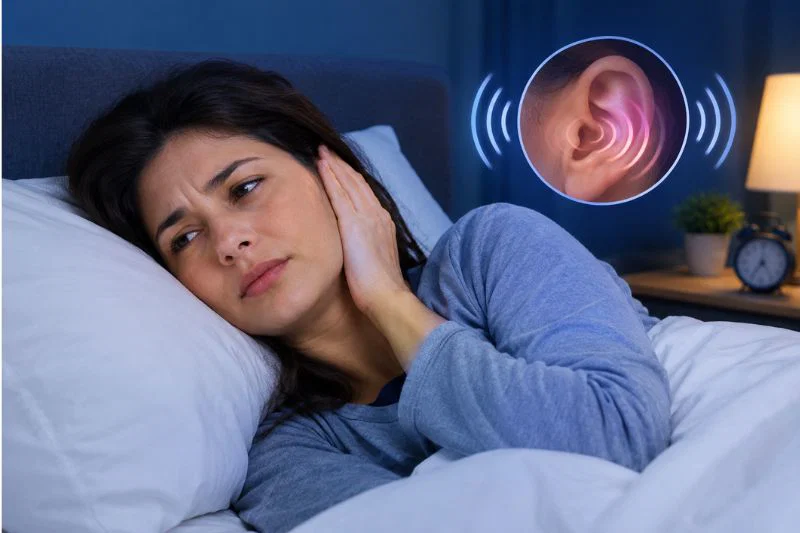
What Is Tinnitus?
Tinnitus is the perception of sound when no external sound is present. It is often described as ringing in the ears, but it can also sound like:
- Buzzing or humming
- Hissing or whistling
- Clicking or chirping
- Roaring or rushing
- Pulsing or whooshing
Tinnitus may affect one ear or both ears. Some people experience it occasionally, while others hear it regularly.
According to the National Institute on Deafness and Other Communication Disorders (NIDCD), tinnitus is a symptom that can be associated with several conditions, including hearing loss, noise exposure, and certain health problems.
Is tinnitus worse at night? Not necessarily. The sound itself may not become stronger. Instead, the quiet environment makes it easier to notice.
Why Does Tinnitus Seem Louder at Night?
Many people wonder why their ears ring more when they lie down to sleep. Several factors may explain this experience.
1. Less Background Noise
During the day, everyday sounds from conversations, traffic, televisions, and other activities can make tinnitus less noticeable.
At night, these background sounds disappear. Without other noises competing for your attention, ringing in your ears may become more noticeable.
2. Increased Awareness of the Sound
When you are busy, your brain focuses on different activities. At bedtime, there are fewer distractions.
As a result, you may pay more attention to the ringing or buzzing sound.
3. Stress and Anxiety
Stress can make tinnitus more difficult to manage.
If you are worried about work, family, or other responsibilities, you may find yourself focusing more on the ringing sound.
This can create a cycle in which tinnitus makes it difficult to sleep, and poor sleep makes tinnitus feel more bothersome.
4. Fatigue and Poor Sleep
Feeling tired can affect how you respond to tinnitus.
When you do not get enough rest, you may become more sensitive to sounds or find it harder to ignore the ringing.
Maintaining a regular sleep schedule may help reduce the impact of tinnitus on your daily life.
7 Common Causes of Ringing in the Ears at Night
Tinnitus can have several possible causes. Identifying the underlying reason is an important step toward finding appropriate care.
1. Age-Related Hearing Loss
Hearing loss is one of the most common conditions associated with tinnitus.
As people get older, changes in the inner ear can affect how sound signals reach the brain. These changes may contribute to both hearing loss and tinnitus.
If you are over 50 and have noticed ringing in your ears, difficulty understanding conversations, or frequently increasing the television volume, consider scheduling a professional hearing evaluation.
2. Exposure to Loud Noise
Listening to loud music, attending concerts, working around machinery, or using headphones at high volumes can affect the sensitive structures inside your ears.
Repeated exposure to loud sounds may contribute to permanent hearing damage and tinnitus.
To help protect your hearing:
- Keep headphone and earbud volumes at comfortable levels.
- Wear hearing protection in noisy environments.
- Take breaks from loud activities.
- Avoid prolonged exposure to high noise levels.
3. Earwax Buildup
Earwax helps protect the ear canal, but excessive buildup can sometimes cause hearing difficulties and tinnitus.
When earwax blocks the ear canal, you may experience muffled hearing, fullness, or ringing.
Avoid using cotton swabs or other objects to remove earwax deep inside your ears. These can push wax farther into the ear canal or cause injury.
A hearing or medical professional can examine your ears and recommend safe treatment when necessary.
4. Certain Medications
Some medications may cause or worsen tinnitus, particularly at certain doses.
Examples include certain antibiotics, anti-inflammatory medications, and medications used to treat specific medical conditions.
If you notice ringing in your ears after starting a new medication, speak with your healthcare provider.
Never stop taking prescribed medication without medical advice.
5. Ear Infections and Ear Conditions
Ear infections, fluid behind the eardrum, and other ear conditions may contribute to temporary tinnitus.
You may also experience symptoms such as ear discomfort, pressure, or reduced hearing.
If these symptoms continue or become worse, seek medical evaluation to identify the cause.
6. Jaw Problems and Teeth Grinding
Problems involving the temporomandibular joint (TMJ), which connects your jaw to your skull, can sometimes be associated with tinnitus.
People who grind their teeth or clench their jaws may notice ear discomfort or changes in their tinnitus.
If ringing occurs alongside jaw pain, clicking, or headaches, discuss these symptoms with a healthcare professional or dentist.
7. Other Health Conditions
Certain health conditions, including some blood vessel disorders and Ménière’s disease, can be associated with tinnitus.
For example, tinnitus that follows the rhythm of your heartbeat is known as pulsatile tinnitus. It may have a different underlying cause than typical ringing.
Persistent or pulsatile tinnitus should be evaluated by a healthcare professional.
Can Tinnitus Affect Your Sleep?
Yes. Tinnitus can make it harder to fall asleep or stay asleep, especially when the surrounding environment is quiet.
Some people experience:
- Difficulty falling asleep
- Frequent nighttime awakenings
- Trouble relaxing before bedtime
- Daytime tiredness
- Difficulty concentrating
However, not everyone with tinnitus experiences sleep problems.
The impact often depends on how noticeable the sound is and how much it affects your daily activities.
How to Reduce Ringing in Your Ears at Night
Although there is no single treatment that eliminates every type of tinnitus, several strategies may help make nighttime symptoms easier to manage.
Use Gentle Background Sounds
A completely silent bedroom may make tinnitus more noticeable.
Consider using a fan, white noise machine, soft music, or calming nature sounds at a comfortable volume.
These sounds may help reduce the contrast between tinnitus and the quiet environment.
Maintain a Consistent Sleep Schedule
Try going to bed and waking up at approximately the same time each day.
A regular sleep routine may help improve sleep quality and reduce the frustration associated with nighttime tinnitus.
Practice Relaxation Techniques
Stress management may help you cope with tinnitus.
Before bedtime, consider:
- Deep breathing exercises
- Gentle stretching
- Meditation
- Reading a relaxing book
- Listening to calming sounds
These activities may help you relax and shift your attention away from tinnitus.
Protect Your Hearing
Avoid unnecessary exposure to loud sounds, especially when using headphones or earbuds.
Use appropriate hearing protection at concerts, sporting events, or noisy workplaces.
However, avoid wearing earplugs continuously in quiet environments solely to block tinnitus. Reducing outside sounds too much can sometimes make tinnitus more noticeable.
Consider a Professional Hearing Evaluation
If your tinnitus is associated with hearing loss, hearing aids may help.
Modern hearing aids improve access to everyday sounds, which may make tinnitus less noticeable for some people.
Some devices also include sound therapy features designed to support tinnitus management.
A hearing care professional can help determine whether hearing aids or other management options are appropriate for your needs.
Get Professional Hearing Care in Atlanta, GA
Ringing in your ears at night can be frustrating, especially when it interferes with your sleep. While tinnitus has several possible causes, understanding your hearing health is an important first step toward managing the symptoms.
At The Hearing Center at Eye Consultants of Atlanta, our hearing care team helps patients understand their hearing concerns through professional hearing evaluations and personalized recommendations.
If you experience persistent ringing, buzzing, or other changes in your hearing, a hearing evaluation may help identify hearing-related factors and guide appropriate next steps.
Take the first step toward better hearing health.
Schedule an Appointment with the Hearing Center at Eye Consultants of Atlanta today.
Frequently Asked Questions
Ringing may become more noticeable when you lie down because your surroundings are quieter and there are fewer distractions. If the sound is new, persistent, or changes with your heartbeat, seek medical evaluation.
Occasional tinnitus is relatively common, but persistent ringing should not automatically be considered normal. A hearing evaluation can help identify possible contributing factors.
Stress may contribute to tinnitus or make existing symptoms more noticeable. Relaxation techniques and better sleep habits may help reduce how bothersome tinnitus feels.
Sometimes. Tinnitus related to temporary noise exposure or a treatable ear condition may improve. However, tinnitus associated with permanent hearing loss may continue and require ongoing management.
Yes, hearing aids may help some people who experience both tinnitus and hearing loss. By improving access to environmental sounds, hearing aids can make tinnitus less noticeable.
For some people, yes. A fan provides steady background noise that may help mask tinnitus and make falling asleep easier.
Related Posts


Contact Info
- Monday – Thursday : 8:00 am – 4:30 pm Friday : 8:00 am – 4:00 pm