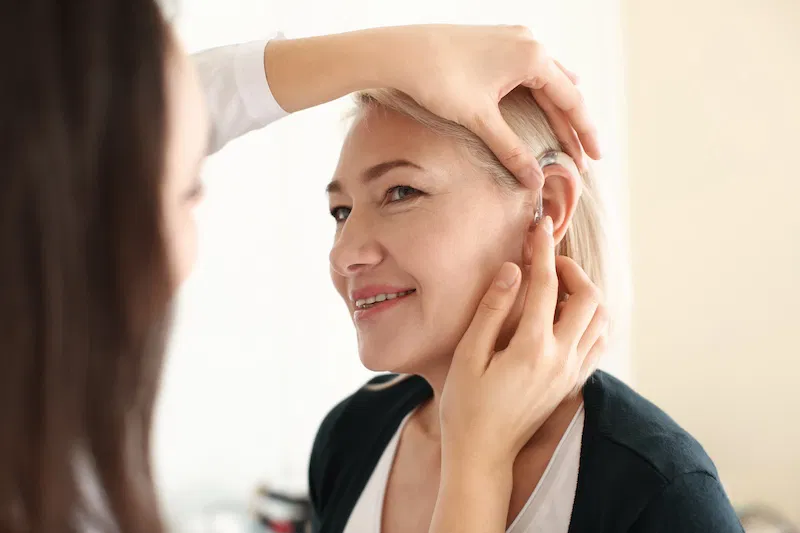
Blog 7 Tips for Getting Used to New Hearing Aids March 16, 2026 Getting new hearing aids is an important step toward better hearing and stronger connections with the people around you. It is also normal for the adjustment period to feel a bit overwhelming at first. Sounds may seem louder, sharper, or unfamiliar. This does not mean something is wrong. It simply means your brain is learning how to hear again. Below are helpful and reassuring tips to make the transition smoother and more comfortable. 1. Allow Time for Adjustment Hearing aids do more than make sounds louder. They help your brain reconnect with sounds it may not have processed clearly for a long time. Everyday noises like footsteps, paper movement, birds, or appliances may suddenly become noticeable again. This process is known as auditory adaptation. Your brain needs time to sort out which sounds matter most. For many people, this adjustment takes a few weeks when hearing aids are worn regularly. 2. Wear Them Every Day Consistency is key when getting used to hearing aids. Try to wear them daily, starting with a few hours and gradually increasing to full day use. The more often you wear them, the faster your brain adapts. Taking long breaks can slow progress. Think of it like building a habit. Regular use helps everything feel more natural over time. 3. Begin in Calm Settings Start using your hearing aids in quiet and familiar places like your home. This allows you to focus on sounds without too much background noise. Practice listening to simple situations such as: Conversations with one person Watching television at a comfortable volume Everyday sounds around your home As your comfort improves, slowly move into busier environments like restaurants or group settings. 4. Focus on Listening Skills Hearing clearly also involves active listening. Look at the person speaking, maintain eye contact, and try to reduce background noise when possible. If you do not catch something, it is completely fine to ask someone to repeat themselves. This is a normal part of the adjustment process and helps improve communication. 5. Your Voice May Sound Different It is common for your own voice to sound louder or slightly different in the beginning. This happens because your ears and brain are adjusting to amplified sound. This feeling usually fades over time. If it continues or feels uncomfortable, your hearing provider can make small adjustments to improve your experience. 6. Attend Follow Up Visits Your first fitting is only the start of your hearing journey. Follow up appointments are very important to fine tune your hearing aids based on your daily experiences. Be open about what you notice. For example: Are some sounds too sharp or loud Is speech still difficult to understand in noisy places Do the hearing aids feel balanced in both ears These details help your provider adjust settings to match your needs more accurately. 7. Take Care of Your Hearing Aids Daily cleaning and proper storage will keep your hearing aids working well. Good maintenance helps prevent issues and ensures consistent sound quality. If you notice any discomfort, whistling sounds, or technical problems, reach out to your hearing care provider instead of stopping use. Adjusting to hearing aids takes time, but the results are worth it. Clearer conversations, stronger relationships, and a better quality of life are all possible with consistent use and the right support. If you have questions or need help, our team is here for you. Contact us today to learn more or schedule your next appointment. Share this post Related Posts 7 Tips for Getting Used to New Hearing Aids March 16, 2026 Read More The Connection Between Hearing Loss and Hypothyroidism February 23, 2026 Read More Teenagers and Hearing Aids: What Parents and Teens Should Know February 16, 2026 Read More
The Hearing Center at Eye Consultants of Atlanta

Category: Uncategorized
The Connection Between Hearing Loss and Hypothyroidism
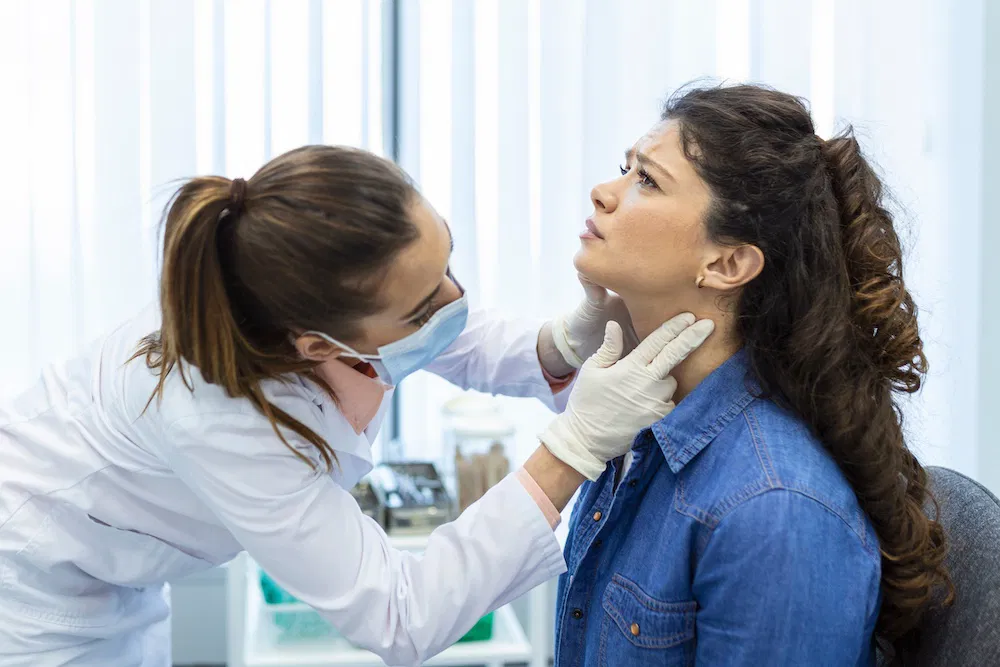
Blog The Connection Between Hearing Loss and Hypothyroidism February 23, 2026 Many people are familiar with the common symptoms of hypothyroidism such as fatigue, weight gain, or feeling cold more often than usual. However, fewer people realize that thyroid health can also affect hearing. Research has shown that there can be a connection between hypothyroidism and hearing loss. Learning about this relationship can help you protect both your overall health and your hearing. What Is Hypothyroidism Hypothyroidism occurs when the thyroid gland does not produce enough thyroid hormones. The thyroid is a small butterfly shaped gland located in the front of the neck. These hormones are important because they regulate metabolism, energy levels, and many other functions throughout the body. Common symptoms of hypothyroidism include fatigue, weight gain, depression, dry skin, constipation, sensitivity to cold temperatures, and difficulty concentrating or what many people describe as brain fog. Since thyroid hormones influence many systems in the body, it is possible for hearing to be affected as well. How Hypothyroidism Can Affect Hearing Thyroid hormones help support healthy nerve function and proper blood circulation. Both of these are essential for the hearing system to work properly. Research suggests that people with hypothyroidism may experience several types of hearing related issues. These may include sensorineural hearing loss, which involves damage to the inner ear or the auditory nerve. Some individuals may develop conductive hearing loss, which involves problems in the middle ear. Others may experience mixed hearing loss, which is a combination of both types. Tinnitus, which is a ringing or buzzing sound in the ears, may also occur. There are several reasons why hypothyroidism may influence hearing. Low thyroid hormone levels may affect how well the auditory nerve functions. Changes in hormone levels may also influence fluid balance in the inner ear, which plays an important role in how sound is processed. Reduced blood circulation can affect the delicate structures inside the cochlea. Autoimmune conditions such as Hashimoto’s thyroiditis may cause inflammation that can affect hearing. In many cases, hearing changes develop slowly and may be difficult to notice at first. Treatment for Hypothyroidism The most common treatment for hypothyroidism is thyroid hormone replacement therapy. This treatment usually involves a medication called levothyroxine, which helps restore hormone levels to a healthy range. When thyroid hormone levels are properly managed, many symptoms often improve. People frequently notice increased energy, a more stable metabolism, and better mental clarity. In some cases, hearing may also improve after thyroid hormone levels are corrected. This is more likely if hearing changes are mild and identified early. However, hearing improvement is not guaranteed, which is why early testing is important. Treatment Options for Hearing Loss If hearing loss continues even after thyroid levels are treated, there are several effective solutions available. Hearing aids are commonly used to treat sensorineural hearing loss. Modern hearing aids are small, comfortable, and advanced in their technology. They are designed to improve speech clarity and reduce background noise. For individuals with more severe hearing loss, cochlear implants may be recommended. These devices work by bypassing damaged parts of the ear and directly stimulating the auditory nerve. If tinnitus is present, treatments such as sound therapy, hearing aids with tinnitus features, and counseling strategies can help reduce the impact of the ringing. The first step in addressing hearing concerns is a complete hearing evaluation. If you have hypothyroidism and notice signs such as difficulty following conversations, needing to increase the television volume, or ringing in the ears, it may be time to schedule a hearing test. A Team Approach to Care Hypothyroidism can affect many parts of the body, which is why working with multiple healthcare professionals can be helpful. Your primary care doctor, endocrinologist, and hearing specialist can work together to provide coordinated care. Managing thyroid hormone levels while addressing hearing concerns helps ensure that you receive the best possible treatment for your health. Final Thoughts If you have hypothyroidism or think you may have symptoms of thyroid problems and you also notice changes in your hearing, it is important not to ignore these signs. Early evaluation and treatment can make a meaningful difference in your quality of life. If you would like to learn more about the relationship between hypothyroidism and hearing loss, contact our hearing office today. Our team is here to help you protect your hearing and overall health. Share this post Related Posts The Connection Between Hearing Loss and Hypothyroidism February 23, 2026 Read More Teenagers and Hearing Aids: What Parents and Teens Should Know February 16, 2026 Read More Hyperbaric Oxygen Therapy for Sudden Hearing Loss: What You Should Know January 26, 2026 Read More
Teenagers and Hearing Aids: What Parents and Teens Should Know
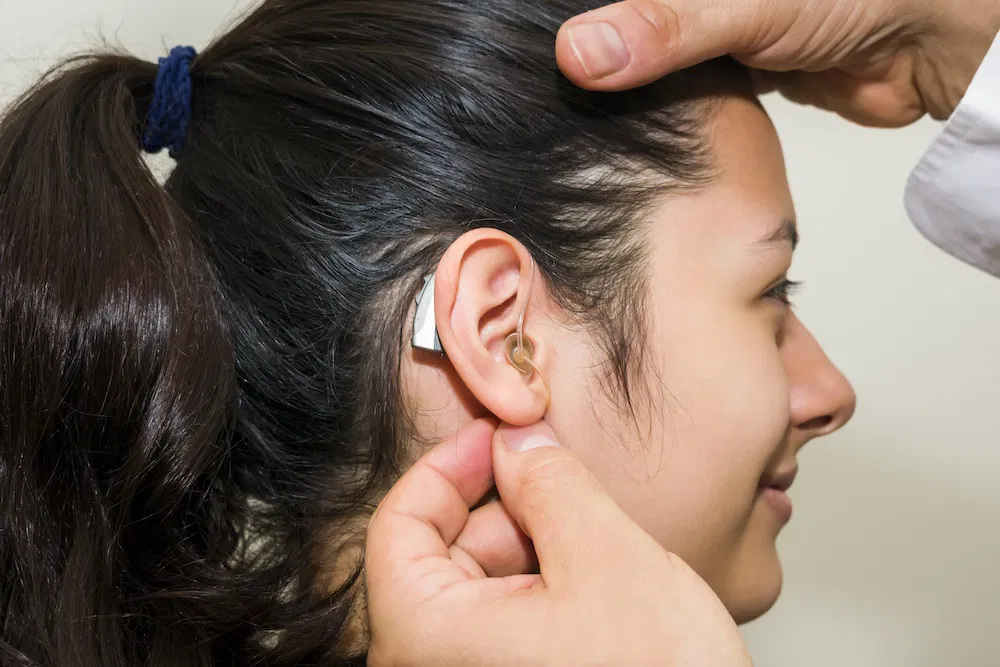
Blog Teenagers and Hearing Aids: What Parents and Teens Should Know February 16, 2026 When people think about hearing aids, they often imagine older adults. However, hearing loss does not only affect seniors. Teenagers can experience hearing challenges as well. Causes may include genetic factors, repeated ear infections, medical conditions, or regular exposure to loud noise. Hearing loss during the teenage years can influence school performance, friendships, and self confidence. The encouraging news is that with early identification and proper support, teens with hearing loss can succeed in every area of life. Recognizing Signs of Hearing Loss in Teens Hearing loss in teenagers is not always obvious. It may sometimes be mistaken for distraction, lack of attention, or typical teenage behavior. Parents and teachers should watch for patterns that may suggest a hearing issue. Common warning signs include: Frequently asking others to repeat themselves Saying “What?” often during conversations Increasing the volume on phones, music, or television Trouble understanding speech in noisy places like classrooms or restaurants Complaints of ringing or buzzing in the ears Difficulty following verbal instructions at school Pulling away from social activities Appearing irritated or frustrated in group discussions Today’s teens are often exposed to loud sounds through earbuds, gaming headsets, concerts, and sporting events. Noise related hearing damage is becoming more common in this age group. If you notice consistent signs, it is important not to ignore them. Steps to Take if You Suspect Hearing Loss If you believe your teenager may be experiencing hearing changes, schedule a complete hearing evaluation with a licensed audiologist. A thorough hearing test can determine whether hearing loss is present, identify the type, and measure its severity. If hearing loss is confirmed, your hearing specialist will review treatment options. Hearing aids are often recommended when appropriate. Acting early is essential. Addressing hearing challenges quickly can support academic success, communication skills, and emotional well being. It is also important to include your teen in the conversation. When teenagers feel involved in decisions about their hearing care, they are more likely to feel confident and supported. Hearing Aid Choices Designed for Teens Modern hearing aids are very different from older models. Today’s technology offers smaller designs, improved sound quality, and features that fit active lifestyles. Common hearing aid styles for teenagers include: Behind the ear hearing aids, which are durable and suitable for a wide range of hearing needs Receiver in canal hearing aids, which are smaller and more discreet while still delivering clear sound Bluetooth enabled devices that connect directly to smartphones, tablets, and school devices Rechargeable hearing aids that eliminate the need for small disposable batteries Many devices also offer customizable colors and sleek designs. Teens often appreciate options that allow them to express their personality while maintaining comfort and performance. Helpful Tips for Teens Adjusting to Hearing Aids Getting used to hearing aids may take time, but building consistent habits can make the transition smoother. Wear hearing aids daily. Regular use helps the brain adjust to amplified sound and improves clarity over time. Clean them each day. Gently wipe them down and store them safely at night. Keep them away from water unless protective accessories are used. Charge them or replace batteries routinely. Make this part of your evening routine to avoid issues the next day. Protect your hearing from loud noise. Even with hearing aids, it is important to limit exposure to high volume environments and use hearing protection when needed. Communicate openly about concerns. If something feels uncomfortable or does not sound right, adjustments can often be made by your hearing specialist. Supporting Confidence and Growth Hearing loss during the teenage years may feel overwhelming at first, but it does not define your child’s future. With proper evaluation, advanced hearing technology, and continued guidance, teens can remain active, engaged, and confident in school and social settings. If you have concerns about your teenager’s hearing, our team is here to guide you through every step. Contact our office today to schedule an evaluation and learn how we can support your teen’s hearing health and success. Share this post Related Posts 7 Tips for Getting Used to New Hearing Aids March 16, 2026 Read More The Connection Between Hearing Loss and Hypothyroidism February 23, 2026 Read More Teenagers and Hearing Aids: What Parents and Teens Should Know February 16, 2026 Read More
Hyperbaric Oxygen Therapy for Sudden Hearing Loss: What You Should Know

Blog Hyperbaric Oxygen Therapy for Sudden Hearing Loss: What You Should Know January 26, 2026 Sudden hearing loss can be alarming. You may wake up one morning and realize that sounds seem faint, distorted, or blocked in one ear. Some people describe it as pressure, fullness, or a noticeable drop in hearing that happens very quickly. This condition is known as Sudden Sensorineural Hearing Loss, or SSNHL, and it is considered a medical emergency. Getting evaluated right away gives you the best chance of recovery. One treatment option that has received growing attention is Hyperbaric Oxygen Therapy, also called HBOT. Understanding Sudden Sensorineural Hearing Loss SSNHL usually develops within a short period of time, often within 72 hours. In many cases, the exact cause is not clear. However, possible triggers may include viral infections, reduced circulation to the inner ear, inflammation, or immune system reactions. The inner ear depends on a steady supply of oxygen rich blood to function properly. Even a short interruption in oxygen delivery can affect the delicate sensory cells responsible for hearing. When these cells are stressed or damaged, hearing can change rapidly. Because of the sudden nature of this condition, prompt medical attention is critical. What Is Hyperbaric Oxygen Therapy? Hyperbaric Oxygen Therapy is a treatment that allows you to breathe pure oxygen inside a pressurized chamber. The increased pressure helps your body absorb higher levels of oxygen into the bloodstream. This extra oxygen can then reach areas that may not be receiving enough, including the sensitive structures of the inner ear. HBOT has been used for many years to treat medical conditions such as wound healing and decompression sickness. In recent years, research has suggested that it may also support recovery in certain cases of sudden hearing loss. How HBOT May Support Hearing Recovery The cochlea, which is the hearing organ inside the inner ear, is extremely sensitive to oxygen levels. When oxygen supply decreases due to inflammation or circulation problems, the cells involved in hearing may become injured. By increasing oxygen delivery to the inner ear, HBOT may help: Improve blood flow Reduce inflammation Support cellular repair Protect remaining healthy hearing cells In some individuals, this improved oxygen supply may help restore part of the lost hearing or reduce the risk of further damage. While results vary from person to person, early intervention appears to offer the greatest benefit. The Importance of Early Treatment Timing plays a major role in the success of hyperbaric oxygen therapy. Research suggests that HBOT is most effective when started as soon as possible, ideally within the first two weeks after hearing loss begins. HBOT is often combined with other treatments, such as corticosteroid medications, rather than used alone. A hearing specialist is essential in identifying sudden hearing changes quickly and coordinating care with physicians and medical providers. Delaying evaluation can reduce the chances of recovery, so acting fast is important. What Happens During an HBOT Session? During treatment, you will sit or lie comfortably inside a pressurized chamber while breathing pure oxygen. Sessions typically last between 60 and 90 minutes. A full treatment plan may involve multiple sessions over several days or weeks, depending on your individual case. Most patients tolerate the therapy well. Some people may notice temporary ear pressure, similar to what you feel during air travel, or mild fatigue afterward. These effects are usually short term. Your provider will explain the process and monitor you throughout treatment to ensure safety and comfort. Is Hyperbaric Oxygen Therapy the Right Option? Not every person with sudden hearing loss is a candidate for HBOT. A complete hearing evaluation, including a detailed hearing test, is necessary to determine the type and severity of hearing loss. Your hearing specialist will review your results, discuss available treatment options, and coordinate referrals to appropriate medical professionals if hyperbaric oxygen therapy is being considered. Every case is unique, so individualized care is essential. Acting Quickly Can Improve Outcomes Sudden hearing loss should never be ignored. Early diagnosis and immediate treatment can significantly improve the likelihood of recovery. Hyperbaric oxygen therapy may be an important part of a comprehensive treatment plan for some patients. If you or someone you love experiences sudden hearing changes, contact our hearing practice right away. Our team is here to evaluate your hearing, guide you through your options, and help protect your long term hearing health. Share this post Related Posts The Connection Between Hearing Loss and Hypothyroidism February 23, 2026 Read More Teenagers and Hearing Aids: What Parents and Teens Should Know February 16, 2026 Read More Hyperbaric Oxygen Therapy for Sudden Hearing Loss: What You Should Know January 26, 2026 Read More
6 New Year’s Resolutions for People with Hearing Loss

Blog 6 New Year’s Resolutions for People with Hearing Loss January 19, 2026 The start of a new year is the perfect time to focus on personal growth and healthier habits. For individuals living with hearing loss, even small changes can lead to meaningful improvements in communication, confidence, and daily comfort. Setting realistic goals for your hearing health can positively impact your relationships, work life, and overall well being. Here are six practical New Year resolutions that can help you hear and live better all year long. 1. Book or Maintain Your Annual Hearing Test Your hearing deserves the same attention as your overall health. If you have not had a hearing evaluation in the past year, make this your priority. Hearing changes often happen gradually, making them easy to overlook. Regular testing allows early identification of changes and ensures you receive the right care at the right time. If you already wear hearing aids, routine follow up appointments help confirm your devices are properly adjusted and performing at their best. 2. Wear Your Hearing Aids Every Day Many people own hearing aids but do not wear them consistently. This year, aim to use your hearing aids daily. Consistent use allows your brain to adjust to amplified sound more naturally. It can improve speech clarity, reduce listening strain, and help you feel more confident in conversations. If wearing them all day feels overwhelming, start with key situations such as family gatherings or meetings, then gradually increase usage. 3. Strengthen Your Communication Skills Better hearing involves more than just devices. Healthy communication habits make a major difference. Practice speaking up about your needs. Ask others to face you when they talk. Reduce background noise when possible. Choose quieter places in restaurants. Simple steps like these improve understanding and lower frustration for everyone involved. Clear communication supports stronger relationships at home and at work. 4. Learn About New Hearing Technology Hearing care technology continues to advance each year. If your hearing aids are several years old, it may be time to explore updated options. Modern hearing aids often include rechargeable batteries, Bluetooth connectivity, improved sound processing, and advanced noise management. Even small adjustments, such as updated programming or new accessories, can noticeably improve your listening experience. 5. Protect Your Remaining Hearing Protecting the hearing you have is just as important as treating hearing loss. Exposure to loud noise can cause additional damage over time. If you attend sporting events, concerts, or work in noisy environments, use proper hearing protection. Keep ear protection available when needed and monitor volume levels when using headphones or earbuds. Preventing further hearing loss is a powerful step toward long term hearing health. 6. Stay Active and Social Hearing loss can sometimes lead to isolation, especially when conversations feel challenging. Make it a goal this year to stay socially involved. Attend gatherings. Join community activities. Continue hobbies that bring you joy. With proper hearing support and confident communication strategies, social engagement becomes easier and more enjoyable. Staying connected supports emotional health and cognitive wellness. Make Hearing Health a Year Round Commitment New Year resolutions do not need to be complicated to create real change. Focusing on your hearing health helps strengthen communication, maintain independence, and improve quality of life. If you are ready to make this the year you hear your best, our team is here to support you. Contact our hearing office today to schedule your appointment and take the first step toward better hearing. Share this post Related Posts The Connection Between Hearing Loss and Hypothyroidism February 23, 2026 Read More Teenagers and Hearing Aids: What Parents and Teens Should Know February 16, 2026 Read More Hyperbaric Oxygen Therapy for Sudden Hearing Loss: What You Should Know January 26, 2026 Read More
7 Air Travel Tips for People with Hearing Aids

Blog 7 Air Travel Tips for People with Hearing Aids December 22, 2025 Traveling by air with hearing aids can feel overwhelming at first, but it does not have to be complicated. With the right preparation and a few practical steps, you can travel comfortably while staying aware of important information around you. Whether you fly often or are planning your first trip with hearing devices, these helpful tips can make your experience smoother from check in to landing. 1. Wear Your Hearing Aids Through Security You can safely keep your hearing aids on when going through airport security. Hearing aids do not interfere with screening equipment, and security officers are trained to assist travelers who use medical devices. You are not required to remove them. Keeping your hearing aids in place also helps you clearly hear instructions from airport staff and stay aware of announcements in busy terminals. If you prefer extra reassurance, you may inform the security agent that you are wearing hearing aids. 2. Prepare a Hearing Aid Travel Kit Having a small travel kit dedicated to your hearing aids can prevent unnecessary stress. Pack all essential items in your carry on bag so they stay with you at all times. Your kit may include: Extra batteries or your charging case Cleaning tools such as a cloth and brush Replacement wax guards Drying capsules or a portable dehumidifier A protective storage case Flights can be delayed, and luggage can be misplaced. Keeping your supplies nearby ensures you are prepared for unexpected changes. 3. Plan for Extra Power Long travel days, temperature changes, and extended listening can drain hearing aid batteries faster than usual. If your devices use disposable batteries, bring more than you think you will need. It is always better to have extra. If you wear rechargeable hearing aids, charge them fully before leaving home. Bring your charger, charging cable, and if possible, a portable power bank. Airport outlets are not always available, so backup power can make a big difference during layovers. 4. Use Airport Accessibility Features Airports are often loud and crowded, which can make it difficult to follow spoken announcements. Fortunately, many airports offer visual information boards, captioned messages, and traveler assistance services. Download your airline’s mobile app to receive gate updates, boarding alerts, and flight notifications directly on your phone. If you are unsure about your gate or boarding time, do not hesitate to approach the customer service desk for confirmation. Planning ahead helps you avoid missing important information. 5. Manage Ear Pressure During Takeoff and Landing Air pressure changes during takeoff and landing can cause temporary ear discomfort. Hearing aids usually do not increase this pressure, but individuals with hearing loss may be more sensitive to the sensation. You can reduce discomfort by yawning, swallowing, chewing gum, or gently performing pressure equalizing techniques. Some travelers choose to use pressure regulating earplugs designed for flying. If you frequently experience ear pain while flying, speak with your hearing care provider before your trip for personalized advice. 6. Keep Your Hearing Aids Secure During the Flight You can continue wearing your hearing aids for the entire flight, including during takeoff and landing. Just be mindful when adjusting headrests, wearing neck pillows, or removing sweaters and masks, as devices can occasionally shift. If you remove your hearing aids to rest or sleep, place them immediately in their protective case. Avoid placing them on tray tables or seat pockets where they may be forgotten or accidentally knocked to the floor. Simple precautions help prevent loss or damage. 7. Ask for Assistance When Needed Airline staff are trained to assist passengers with hearing loss and other needs. If you did not hear an announcement clearly, ask a flight attendant for clarification. You may also request early boarding if you prefer extra time to settle in. Clear communication with airline staff ensures you feel confident and supported throughout your journey. There is no need to feel hesitant about requesting help. Travel With Confidence and Peace of Mind With thoughtful preparation, flying with hearing aids can be comfortable and worry free. A little planning goes a long way in protecting your devices and maintaining clear communication during your trip. If you have questions about traveling with hearing aids or want to ensure your devices are functioning at their best before departure, our team is here to support you. Contact our hearing office today to schedule a checkup and travel with confidence. Share this post Related Posts Teenagers and Hearing Aids: What Parents and Teens Should Know February 16, 2026 Read More Hyperbaric Oxygen Therapy for Sudden Hearing Loss: What You Should Know January 26, 2026 Read More 6 New Year’s Resolutions for People with Hearing Loss January 19, 2026 Read More
Tinnitus Habituation: Training Your Brain to Turn Down the Noise

Blog Tinnitus Habituation: Training Your Brain to Turn Down the Noise December 15, 2025 Living with tinnitus can be exhausting. The constant ringing, buzzing, or humming that only you can hear may interfere with sleep, focus, and daily comfort. While tinnitus does not always go away completely, many people experience meaningful relief through a process known as tinnitus habituation. This method does not eliminate the sound, but it can greatly reduce how much it disrupts your life, helping you feel calm and in control again. What Is Tinnitus Habituation? Tinnitus habituation is the process of helping your brain gradually tune out tinnitus so it no longer triggers frustration, anxiety, or constant awareness. The brain naturally filters out sounds it decides are not important. For example, most people stop noticing the hum of an air conditioner or distant traffic after a short time. Habituation works by teaching your brain to treat tinnitus like those everyday background sounds. Instead of reacting to tinnitus as a threat, your brain learns to classify it as neutral. When this shift happens, the sound becomes less noticeable and far less distressing. Habituation is a core part of well established tinnitus management approaches such as Tinnitus Retraining Therapy and structured sound therapy programs. The goal is not silence, but relief from the emotional and physical burden tinnitus can create. How Does the Habituation Process Work? Tinnitus habituation takes patience and consistent guidance. It is most effective when supported by a hearing professional who understands tinnitus management. The process typically includes several important steps. 1. Incorporate Sound Therapy Adding gentle background sound can reduce the contrast between tinnitus and silence. When your environment is completely quiet, tinnitus often feels louder. Soft external sounds help your brain shift attention away from the ringing. Helpful sound options may include: White noise machines Fan sounds Nature recordings such as rain or ocean waves Soft instrumental music Professional sound therapy programs These sounds should be comfortable and low level, not overwhelming. Over time, they help your nervous system relax and reduce the focus placed on tinnitus. 2. Reduce Stress and Emotional Reactivity Stress and tinnitus are closely connected. The more attention and frustration you give to the sound, the stronger your reaction may become. This can create a cycle where stress makes tinnitus seem louder, and louder tinnitus increases stress. Relaxation techniques such as deep breathing, mindfulness exercises, and cognitive behavioral strategies can help break this pattern. When your emotional response softens, your brain becomes less alert to the tinnitus signal, making habituation more successful. 3. Change the Way You Think About Tinnitus Education plays an important role in the habituation process. Working with a tinnitus trained provider can help you better understand what tinnitus represents. In most cases, tinnitus is not dangerous, even though it may be frustrating. When you begin to view tinnitus as a harmless sound rather than a threat, your brain becomes less reactive. This shift reduces fear and tension, which allows the brain’s natural filtering system to do its job more effectively. 4. Treat Underlying Hearing Loss For many individuals, tinnitus is linked to hearing loss. When outside sounds are reduced, tinnitus may seem more noticeable. Hearing aids can amplify environmental sounds, which helps blend tinnitus into the background naturally. By improving overall hearing clarity, hearing aids often support and speed up the habituation process. Many patients find that addressing hearing loss significantly improves both communication and tinnitus management. Benefits of Tinnitus Habituation The greatest benefit of habituation is not the disappearance of tinnitus, but the reduction of its impact. When your brain learns to deprioritize the sound, your daily life can improve in many ways. People who successfully complete habituation programs often report: Lower stress levels Better sleep quality Improved concentration Less emotional frustration Greater sense of calm and control Enhanced overall quality of life Many individuals explain that they may still hear tinnitus from time to time, but it no longer bothers them. That shift in perception is the true success of habituation. You Do Not Have to Manage Tinnitus Alone If tinnitus is affecting your focus, mood, or sleep, professional support can make a meaningful difference. A personalized tinnitus habituation plan can help you retrain your brain and regain peace of mind. Our hearing specialists are experienced in tinnitus management and can guide you step by step toward lasting relief. Contact our office today to learn more about your options and begin your path toward quieter, calmer days. Share this post Related Posts The Connection Between Hearing Loss and Hypothyroidism February 23, 2026 Read More Teenagers and Hearing Aids: What Parents and Teens Should Know February 16, 2026 Read More Hyperbaric Oxygen Therapy for Sudden Hearing Loss: What You Should Know January 26, 2026 Read More
When Infections Affect Your Hearing: The Link between Illness and Hearing Loss

Blog When Infections Affect Your Hearing: The Link between Illness and Hearing Loss November 11, 2025 Most people do not think about their hearing until something feels different. Hearing loss or tinnitus, which is ringing or buzzing in the ears, can develop for many reasons. One cause that is sometimes overlooked is infection. Certain viral and bacterial illnesses can harm the sensitive structures of the ear or the auditory nerve. In some cases, this leads to temporary hearing changes. In more serious situations, the damage can be permanent. Knowing which infections can affect hearing and recognizing early warning signs can help protect your long term ear health. Infections Commonly Associated With Hearing Loss and Tinnitus Middle Ear Infections Middle ear infections, also called otitis media, are very common in children but can also occur in adults. These infections often develop after a cold, sinus infection, or upper respiratory illness. Fluid can become trapped behind the eardrum, making it harder for sound to travel properly through the ear. This may cause temporary hearing loss, ear pressure, or a muffled sensation. While many middle ear infections resolve with treatment, repeated or chronic infections can damage the tiny bones and tissues inside the middle ear. Over time, this can increase the risk of lasting hearing problems. Inner Ear Infections When infection reaches the inner ear, the effects can be more serious. Conditions such as labyrinthitis or vestibular neuritis involve inflammation of the inner ear and may affect both hearing and balance. Symptoms often include dizziness, vertigo, nausea, hearing loss, and sometimes tinnitus. Viral illnesses such as influenza, measles, or certain herpes viruses are common causes. In some cases, inflammation can impact the auditory nerve, which may result in long term hearing damage. Meningitis Bacterial meningitis is a severe infection that causes inflammation of the protective layers around the brain and spinal cord. Unfortunately, it can also damage the inner ear or auditory nerve. Hearing loss is one of the most common complications in individuals who recover from meningitis. Because of this risk, children who have had meningitis are typically screened for hearing loss as part of their follow up care. Early diagnosis and treatment can greatly improve outcomes. Measles, Mumps, and Rubella Before routine vaccination programs, measles, mumps, and rubella were leading causes of hearing loss in children. Measles and mumps in particular can directly affect the inner ear, sometimes causing sudden or permanent hearing loss. Thanks to vaccines, these infections are far less common today. However, individuals who are not vaccinated remain at risk for complications that may include hearing damage. COVID 19 and Other Respiratory Viruses Recent research suggests that COVID 19 and other viral respiratory illnesses may, in some cases, lead to inflammation within the auditory system. Some patients have reported temporary hearing loss or tinnitus following infection. While studies are still ongoing, this highlights the fact that viral infections can sometimes affect more than just the respiratory system. Monitoring hearing changes after illness is important. Other Infections Linked to Hearing Loss In addition to the conditions above, several other infections have been associated with hearing complications. These include: Cerebral malaria Cytomegalovirus Ebola virus Epstein Barr virus Group B streptococcus Haemophilus influenzae Herpes simplex virus Human immunodeficiency virus Lassa virus Lyme disease Lymphocytic choriomeningitis virus Non polio enteroviruses Pneumococcal disease Respiratory syncytial virus Rubella Syphilis Toxoplasmosis Varicella zoster virus West Nile virus Zika virus Not everyone who develops these infections will experience hearing loss. However, they have been documented as possible causes, especially when infections are severe or left untreated. Recognizing Warning Signs If you notice ear pain, pressure, drainage, dizziness, sudden hearing changes, or ringing in the ears after being sick, it is important to seek medical attention promptly. Sudden hearing loss should always be treated as urgent. Early evaluation and treatment can sometimes prevent permanent damage. The sooner a problem is identified, the better the chances of protecting your hearing. Steps to Protect Your Hearing There are practical steps you can take to reduce your risk of infection related hearing loss: Stay current on recommended vaccines, including MMR, influenza, and meningitis vaccines. Treat ear infections and sinus infections early to prevent complications. Avoid placing objects or cotton swabs inside the ear canal, as this can cause irritation or worsen infection. Schedule routine hearing evaluations, especially after severe illness or repeated ear infections. Regular hearing checkups are especially important if you notice ongoing tinnitus or changes in clarity after recovering from an illness. We Are Here to Help Protect Your Hearing At our hearing practice, we specialize in identifying and managing hearing loss and tinnitus caused by infections and other conditions. If you have experienced recent changes in your hearing or persistent ringing after being sick, you do not have to navigate it alone. Our team is here to evaluate your hearing, explain your options, and help restore your hearing health. Contact our office today to schedule an appointment and take the next step toward better hearing. Share this post Related Posts Teenagers and Hearing Aids: What Parents and Teens Should Know February 16, 2026 Read More Hyperbaric Oxygen Therapy for Sudden Hearing Loss: What You Should Know January 26, 2026 Read More 6 New Year’s Resolutions for People with Hearing Loss January 19, 2026 Read More
From Hearing Tests to Treatment: Professional Hearing Care in Atlanta

Blog From Hearing Tests to Treatment: Professional Hearing Care in Atlanta November 6, 2025 Healthy hearing plays a vital role in how we connect with others and experience the world around us. Whether you’re noticing the first signs of hearing loss, need help adjusting your hearing aids, or are looking for ongoing care, choosing the right hearing center makes all the difference. At our professional hearing center in Atlanta, we provide complete care that covers every stage of your hearing journey. From comprehensive testing and advanced diagnostics to personalized treatment and long-term support, our team of audiology experts ensures that every patient receives the highest level of professional care. Comprehensive Hearing Evaluation Services The first step toward better hearing always begins with an accurate diagnosis. That’s why we start with thorough hearing evaluation services designed to identify your exact level and type of hearing loss. During a hearing test in Atlanta, our audiologists use state-of-the-art equipment to measure how your ears respond to different tones and frequencies. The results help us understand whether your hearing challenges are related to age, noise exposure, earwax buildup, or an underlying medical condition. Our audiologists review your results in detail and explain your options clearly, ensuring you understand your hearing health before any treatment begins. Accurate evaluation forms the foundation of everything we do because we believe that good hearing care begins with precision. A Trusted Audiology Center in Atlanta As a full service audiology center, our mission is to combine advanced technology with compassionate care. We know that every patient’s hearing experience is unique, and our goal is to provide personalized solutions that restore confidence and quality of life. Our audiology and hearing services go beyond standard testing. We take time to assess lifestyle factors, daily listening environments, and comfort preferences. Whether you need diagnostic testing, hearing aid consultations, or tinnitus relief, our licensed audiologists are committed to delivering professional and attentive care at every visit. By partnering with a trusted audiology center, you gain access to ongoing support, education, and adjustments that ensure your hearing care stays effective over time. Professional Hearing Aid Services For many patients, the next step after diagnosis is selecting and fitting hearing aids. Our hearing aid service is designed to make this process as smooth and personalized as possible. We work with top hearing aid manufacturers to provide devices that match your hearing profile, lifestyle, and budget. After choosing the right device, we move to the hearing aid fitting service stage. This is where our expertise truly shines. We use precise fitting techniques, including real ear measurement, to verify that your hearing aids deliver sound exactly as prescribed. This step ensures that your devices are calibrated to your ears’ natural acoustics rather than generic factory settings. A proper fitting can dramatically improve clarity, comfort, and overall satisfaction. When done correctly, it allows you to hear voices naturally and comfortably in both quiet and noisy environments. Hearing Aid Repair Center for Ongoing Support Even the best hearing aids require occasional maintenance or repair. Our hearing aid repair center provides quick and reliable solutions for a wide range of issues, including sound distortion, battery problems, or physical damage. We understand that hearing aids are an essential part of your daily life, so we prioritize fast turnaround times and quality workmanship. Depending on the issue, some repairs can even be completed on the same day. Our technicians inspect, clean, and test your devices thoroughly to ensure they function like new again. Keeping your hearing aids in top condition ensures consistent performance and helps extend their lifespan, saving you time and money in the long run. Real Ear Measurement: Ensuring Accuracy and Comfort One of the most advanced techniques we use is real ear measurement, a process that allows us to verify how your hearing aids perform while you are wearing them. During this test, a small microphone is placed inside your ear canal to measure how sound behaves inside your ear. This real world data helps us fine tune your hearing aids for optimal comfort and clarity. Without real ear measurement, hearing aids can often sound too soft, too loud, or slightly unnatural. By using this precise verification method, we ensure that your devices provide the perfect level of amplification for your unique hearing profile. It’s one of the most effective ways to guarantee patient satisfaction and long-term comfort. Tinnitus Specialist for Ringing or Buzzing Ears If you experience constant ringing, buzzing, or hissing sounds in your ears, you may be dealing with tinnitus. As a tinnitus specialist, our team offers comprehensive testing and personalized management plans to help reduce the impact of tinnitus on your daily life. While there is no single cure for tinnitus, there are proven strategies that can significantly reduce its intensity and improve your quality of life. Our specialists use sound therapy, hearing aid technology, and counseling techniques to help retrain your brain’s response to tinnitus sounds. Early diagnosis and customized treatment make a tremendous difference. By working with an experienced tinnitus specialist, you can regain control over your hearing and focus on what truly matters living life with clarity and calm. The Value of Choosing a Holistic Approach Our holistic chiropractic center approach to hearing care sets us apart from traditional models. We don’t just treat the symptoms; we focus on improving your overall hearing wellness through personalized, evidence-based methods. Whether it’s recommending hearing protection for noisy environments, providing counseling for tinnitus management, or offering advanced hearing aid technology, we view each patient as a whole person not just a set of test results. Our philosophy centers around complete care, where your emotional, physical, and auditory health are all considered essential parts of the treatment process. Family-Focused Audiology and Hearing Services As a family chiropractic care and audiology provider, we understand that hearing health affects every age group differently. Children may struggle with developmental delays caused by undiagnosed hearing loss, while adults may face communication challenges at work or home. Seniors, too, often… Continue reading From Hearing Tests to Treatment: Professional Hearing Care in Atlanta
What to Do If You Lose a Hearing Aid

Blog What to Do If You Lose a Hearing Aid October 28, 2025 Misplacing a hearing aid can be upsetting, especially if you depend on it daily for communication and confidence. Because hearing aids are small and lightweight, they can sometimes slip off or get misplaced without you noticing. The good news is that there are practical steps you can take to locate or replace your device quickly. Knowing what to do can help reduce stress and get you back to hearing clearly. Stay Calm and Retrace Your Steps Before assuming your hearing aid is permanently lost, pause and carefully think through where you have been. Many hearing aids are found in places you visit regularly. Start by checking areas where you typically remove or adjust your hearing aids, such as the bathroom, bedroom, kitchen, or car. Examine clothing pockets, jacket linings, and laundry baskets. Hearing aids can also become trapped in bedding, under pillows, between couch cushions, or in rugs. If your device connects to a smartphone app, use the built in tracking feature. Many modern hearing aids offer Bluetooth location services that can show the last known location or help guide you toward the device. If you wear two hearing aids, keep the remaining one safe. It will help your hearing care provider identify the exact model and settings if a replacement is needed. Contact Your Hearing Care Provider If you are unable to find your hearing aid after searching thoroughly, contact your hearing care office as soon as possible. Your provider can check your purchase records and determine whether your device is covered under warranty or loss protection. Because your hearing specialist keeps detailed records of your hearing prescription, make, model, and programming settings, replacing the device is often simpler than you might expect. This ensures your new hearing aid will match your specific hearing needs without starting from scratch. Acting quickly also helps reduce the amount of time you are without proper hearing support. Review Warranty and Loss Protection Coverage Many hearing aids include manufacturer warranties or optional loss and damage plans. If you enrolled in this type of coverage, you may only need to pay a deductible fee to receive a replacement device. If you do not have loss protection, your hearing provider can explain available options. This may include ordering a single replacement device or discussing an upgrade to newer technology that offers improved features and advanced tracking capabilities. Your provider will help you understand the most practical and cost effective solution. Steps to Prevent Losing a Hearing Aid Again After replacing your device, it is helpful to put habits in place to avoid future loss. Create a consistent routine. Store your hearing aids in the same secure location every night, such as a protective case or charging dock. Avoid placing them loosely on countertops or tables where they can be knocked down. Consider retention accessories. Clips, cords, or sport sleeves can help keep hearing aids secure during exercise, outdoor activities, or busy days. Enable tracking features through your smartphone app if available. Keeping these tools active can make locating your device much easier if it becomes misplaced. Schedule regular checkups. Your hearing specialist can ensure your hearing aids fit properly and remain comfortable. A secure fit reduces the risk of them slipping out without you noticing. We Are Here to Support You Losing a hearing aid can feel frustrating, but it does not have to disrupt your life for long. Our team is here to guide you through each step, whether that means helping you locate your device, reviewing warranty options, or arranging a replacement quickly. If you have lost a hearing aid or need assistance, contact our office today. We are committed to helping you restore clear hearing and stay connected to the world around you as soon as possible. Share this post Related Posts Teenagers and Hearing Aids: What Parents and Teens Should Know February 16, 2026 Read More Hyperbaric Oxygen Therapy for Sudden Hearing Loss: What You Should Know January 26, 2026 Read More 6 New Year’s Resolutions for People with Hearing Loss January 19, 2026 Read More