

Blog
The Connection Between Hearing Loss and Hypothyroidism
- February 23, 2026

Many people are familiar with the common symptoms of hypothyroidism such as fatigue, weight gain, or feeling cold more often than usual. However, fewer people realize that thyroid health can also affect hearing.
Research has shown that there can be a connection between hypothyroidism and hearing loss. Learning about this relationship can help you protect both your overall health and your hearing.
What Is Hypothyroidism
Hypothyroidism occurs when the thyroid gland does not produce enough thyroid hormones. The thyroid is a small butterfly shaped gland located in the front of the neck. These hormones are important because they regulate metabolism, energy levels, and many other functions throughout the body.
Common symptoms of hypothyroidism include fatigue, weight gain, depression, dry skin, constipation, sensitivity to cold temperatures, and difficulty concentrating or what many people describe as brain fog.
Since thyroid hormones influence many systems in the body, it is possible for hearing to be affected as well.
How Hypothyroidism Can Affect Hearing
Thyroid hormones help support healthy nerve function and proper blood circulation. Both of these are essential for the hearing system to work properly.
Research suggests that people with hypothyroidism may experience several types of hearing related issues. These may include sensorineural hearing loss, which involves damage to the inner ear or the auditory nerve. Some individuals may develop conductive hearing loss, which involves problems in the middle ear. Others may experience mixed hearing loss, which is a combination of both types. Tinnitus, which is a ringing or buzzing sound in the ears, may also occur.
There are several reasons why hypothyroidism may influence hearing.
- Low thyroid hormone levels may affect how well the auditory nerve functions.
- Changes in hormone levels may also influence fluid balance in the inner ear, which plays an important role in how sound is processed.
- Reduced blood circulation can affect the delicate structures inside the cochlea.
- Autoimmune conditions such as Hashimoto’s thyroiditis may cause inflammation that can affect hearing.
In many cases, hearing changes develop slowly and may be difficult to notice at first.
Treatment for Hypothyroidism
The most common treatment for hypothyroidism is thyroid hormone replacement therapy. This treatment usually involves a medication called levothyroxine, which helps restore hormone levels to a healthy range.
When thyroid hormone levels are properly managed, many symptoms often improve. People frequently notice increased energy, a more stable metabolism, and better mental clarity.
In some cases, hearing may also improve after thyroid hormone levels are corrected. This is more likely if hearing changes are mild and identified early. However, hearing improvement is not guaranteed, which is why early testing is important.
Treatment Options for Hearing Loss
If hearing loss continues even after thyroid levels are treated, there are several effective solutions available.
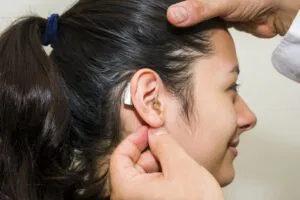
Hearing aids are commonly used to treat sensorineural hearing loss. Modern hearing aids are small, comfortable, and advanced in their technology. They are designed to improve speech clarity and reduce background noise.
For individuals with more severe hearing loss, cochlear implants may be recommended. These devices work by bypassing damaged parts of the ear and directly stimulating the auditory nerve.
If tinnitus is present, treatments such as sound therapy, hearing aids with tinnitus features, and counseling strategies can help reduce the impact of the ringing.
The first step in addressing hearing concerns is a complete hearing evaluation. If you have hypothyroidism and notice signs such as difficulty following conversations, needing to increase the television volume, or ringing in the ears, it may be time to schedule a hearing test.
A Team Approach to Care
Hypothyroidism can affect many parts of the body, which is why working with multiple healthcare professionals can be helpful. Your primary care doctor, endocrinologist, and hearing specialist can work together to provide coordinated care.
Managing thyroid hormone levels while addressing hearing concerns helps ensure that you receive the best possible treatment for your health.
Final Thoughts
If you have hypothyroidism or think you may have symptoms of thyroid problems and you also notice changes in your hearing, it is important not to ignore these signs. Early evaluation and treatment can make a meaningful difference in your quality of life.
If you would like to learn more about the relationship between hypothyroidism and hearing loss, contact our hearing office today. Our team is here to help you protect your hearing and overall health.
Related Posts

Contact Info
- Monday – Thursday : 8:00 am – 4:30 pm Friday : 8:00 am – 4:00 pm