

Blog
How Often Should You Get Your Hearing Tested?
- April 9, 2025

Hearing is one of our most valuable senses. It helps us stay connected to the world around us—from conversations with family and friends to the music we enjoy and the sounds that keep us aware of our surroundings. Just as we regularly check our eyesight or dental health, it’s equally important to take care of our hearing.
One common question people ask is how often they should have their hearing tested. The answer can vary depending on age, lifestyle, and personal risk factors. Below is a helpful guide to understanding when hearing tests should be part of your health routine.
Establishing a Baseline Hearing Test
For many adults, the best place to start is with a baseline hearing test. This initial evaluation, performed by a hearing professional, measures how well your ears detect different tones and speech levels.
Having this first test creates a reference point for the future. If your hearing changes later in life, your hearing specialist can compare new results with the original baseline to identify any differences. Think of it as a starting record that helps track your hearing health over time.
Hearing Tests at Different Stages of Life
As we age, our hearing needs naturally change. The following guidelines can help determine how frequently hearing evaluations should take place.
Children
Hearing screenings are typically included in routine pediatric care, especially during infancy and early childhood. These screenings help identify potential hearing problems early, which is extremely important for speech development, communication skills, and learning. If a screening raises concerns, a full hearing evaluation may be recommended.
Adults Under 50
Adults under 50 who do not notice hearing problems and are not regularly exposed to loud environments may only need occasional hearing tests. Many hearing professionals recommend testing at least once in your 30s or 40s to establish a baseline measurement.
Adults Over 50
Age-related hearing loss, known as presbycusis, becomes more common after age 50. Because this type of hearing loss often develops gradually, it may go unnoticed at first. For this reason, adults over 50 are typically encouraged to have their hearing checked every three years.
Adults Over 60
As the likelihood of hearing changes increases with age, yearly hearing tests are often recommended after age 60. Regular monitoring allows hearing professionals to detect changes early and recommend appropriate solutions when needed.
Other Risk Factors That May Require More Frequent Testing
While age plays a major role in hearing health, several other factors may increase the risk of hearing loss. People with these risk factors may benefit from more frequent hearing evaluations.
Exposure to Loud Noise
Repeated exposure to loud sounds can damage hearing over time. This may include work environments such as construction sites, factories, or music venues. Recreational activities like attending concerts, using firearms, or listening to music at high volumes through headphones can also contribute.
If you are regularly exposed to loud noise, annual hearing tests are often recommended. Wearing proper hearing protection can also help prevent damage.
Family History of Hearing Loss
Genetics can influence your risk of developing hearing problems. If close family members have experienced hearing loss, it may be wise to schedule hearing evaluations more frequently and discuss monitoring plans with a hearing specialist.
Medical Conditions
Certain health conditions have been linked to hearing problems. These include diabetes, cardiovascular disease, and high blood pressure. Additionally, some medications may affect the inner ear and lead to hearing changes.
If you have any of these medical conditions, your healthcare provider may recommend regular hearing evaluations.
Noticeable Changes in Hearing
If you experience any changes in your hearing, it is important not to wait for your next routine test. Signs of hearing changes may include:
- Difficulty following conversations
- Frequently asking others to repeat themselves
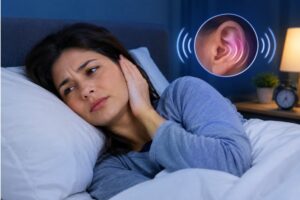
- Ringing or buzzing in the ears (tinnitus)
- Sounds seeming muffled or unclear
- Turning up the volume on the television or phone
Scheduling a hearing test promptly can help identify the cause and allow for early treatment if necessary.
Feedback from Family and Friends
Often, the people closest to us notice hearing changes before we do. If family members or friends mention that you are asking them to repeat things more often or missing parts of conversations, it may be time to schedule a hearing evaluation.
Listening to these observations can be an important step toward protecting your hearing health.
Trust Your Hearing Specialist
While general guidelines are helpful, the best schedule for hearing tests depends on your personal health, lifestyle, and risk factors. A qualified hearing professional can evaluate your hearing and recommend a testing plan tailored specifically to you.
Regular hearing evaluations are an important part of maintaining overall wellness. By monitoring your hearing over time, you can address any concerns early and continue enjoying the sounds that connect you to everyday life.
If you would like to learn more or schedule a hearing test, we invite you to contact our hearing practice today.
Related Posts
Contact Info
- Monday – Thursday : 8:00 am – 4:30 pm Friday : 8:00 am – 4:00 pm