
Blog
How Listening to Audiobooks Can Improve Your Hearing
- May 21, 2025

When people think about improving their hearing, they often picture hearing aids, medical appointments, or structured therapy programs. However, something as simple as listening to audiobooks can also support stronger listening skills. Audiobooks are not just a source of entertainment. They can serve as an effective way to strengthen how your brain processes sound and speech. Many professionals even consider audiobook listening a type of informal auditory training.
What Is Auditory Therapy?
Auditory therapy includes exercises designed to help the brain interpret sound more clearly and efficiently. It is commonly recommended for individuals with hearing loss, but anyone can benefit from improving listening and comprehension skills.
Audiobooks provide an easy and convenient way to practice auditory training. You do not need special equipment or formal sessions. All you need is a device and a willingness to listen carefully.
How Audiobooks Strengthen Listening Skills
When you listen to an audiobook, your brain actively works to follow the narrator’s voice, interpret words, and understand the storyline. This process requires attention and concentration. If the narrator speaks quickly, uses different accents, or changes tone for various characters, your brain works even harder to keep up.
With regular listening, you may begin to notice improvements in your ability to:
- Identify and separate different sounds
- Follow conversations more easily
- Understand unfamiliar words or complex ideas
- Focus on speech even when background noise is present
Just like physical exercise strengthens muscles, consistent listening practice can improve how efficiently your auditory system responds to sound.
Audiobooks and Language Processing
Audiobooks also support linguistic processing, which is the brain’s ability to understand spoken language. As you listen, your brain anticipates what may come next, organizes information, and connects words into meaningful ideas.
This ongoing mental activity can expand vocabulary, improve sentence understanding, and strengthen overall language fluency. It can be especially helpful for individuals who struggle with auditory comprehension or those learning a second language.
Hearing words used naturally in context makes them easier to remember. Audiobooks also allow you to pause or replay sections, giving you more control over the learning process compared to live conversations.
Helpful Tips for Beginners
If you are new to audiobooks, starting with the right material can make the experience more enjoyable and effective.
Choose books with clear narration and a moderate speaking pace. Stories with a single narrator and familiar vocabulary are often easier to follow. Memoirs, light fiction, or even well written children’s books can be good starting points. As your confidence grows, you can move on to more advanced material.
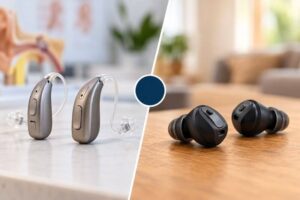
If you wear hearing aids that connect through Bluetooth, stream audiobooks directly to your devices. This can improve sound clarity and reduce background noise, helping you focus on the narration more comfortably.
Setting aside a few minutes each day for focused listening can gradually improve your skills.
Final Thoughts
Audiobooks may seem like simple entertainment, but they offer meaningful benefits for hearing and brain health. By making audiobook listening part of your routine, you can strengthen your auditory comprehension, build language skills, and improve your ability to process speech in daily life.
If you would like more information about improving your hearing or enhancing your listening abilities, contact our hearing office today. We are here to support your hearing health every step of the way.
Related Posts

Contact Info
- Monday – Thursday : 8:00 am – 4:30 pm Friday : 8:00 am – 4:00 pm