

Blog
Back Alcohol, Hearing Loss, and Balance Problems: What’s the Connection
- July 15, 2025

When most people think about the health effects of excessive alcohol use, they often focus on the liver or heart. Hearing and balance problems are not usually the first concerns that come to mind. However, research shows that heavy or long term alcohol consumption can affect the systems responsible for both hearing and stability.
While moderate drinking may not cause noticeable harm for most individuals, repeated binge drinking or chronic alcohol use can damage sensitive structures in the body, including those inside the inner ear. Understanding this connection can help you recognize early warning signs and protect your long term health.
The Impact of Alcohol on Hearing
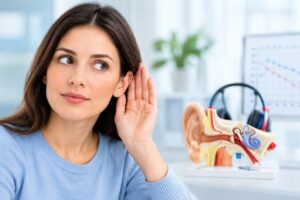
Inside the inner ear are tiny hair cells that convert sound vibrations into signals the brain can interpret. These cells are extremely delicate and do not grow back once damaged. Alcohol can interfere with healthy blood flow to the inner ear and increase oxidative stress, which may gradually harm these important cells.
In addition to affecting the ear itself, alcohol can influence how the brain processes sound. Long term heavy drinking has been linked to changes in areas of the brain involved in hearing and speech understanding. As a result, some individuals may struggle to follow conversations, especially in noisy environments.
It is not uncommon for people to notice temporary muffled hearing or mild hearing changes after drinking heavily. Although these effects often improve once alcohol leaves the system, repeated episodes may increase the risk of lasting damage over time.
How Alcohol Disrupts Balance
The inner ear does more than support hearing. It also contains the vestibular system, which helps control balance and coordination. This system works closely with the eyes and muscles to keep you steady.
Alcohol can interfere with balance by changing the density of fluid inside the inner ear. This disruption can create a spinning sensation or dizziness, even when you are not moving. It explains why people who drink excessively often feel unsteady on their feet.
With ongoing heavy alcohol use, balance problems can become more serious. Some individuals experience frequent stumbling, ongoing dizziness, or vertigo. Over time, alcohol may damage the nerves involved in balance and coordination, increasing the risk of falls and injuries. Older adults may be especially vulnerable to these complications.
Looking at the Broader Health Effects
Hearing and balance changes related to alcohol may develop slowly, making them easy to overlook. Persistent ringing in the ears, known as tinnitus, ongoing dizziness, or difficulty hearing clearly could be signs of alcohol related damage.
It is also important to recognize that alcohol is often not the only factor involved. Smoking, poor nutrition, high noise exposure, and other lifestyle habits can combine with alcohol use to increase the risk of hearing loss and balance disorders.
When multiple risk factors are present, the likelihood of long term problems becomes higher.
When to Consider Professional Evaluation
If you are noticing changes in your hearing or experiencing frequent balance issues, it is important not to dismiss these symptoms. A hearing specialist can perform a thorough evaluation to determine the underlying cause and assess whether alcohol may be contributing.
Making adjustments such as reducing alcohol intake and improving overall health habits can help protect your hearing and balance system. In some cases, early changes may improve once harmful patterns are addressed.
Final Thoughts
Your hearing and balance systems are more sensitive than many people realize. Although moderate alcohol consumption may be safe for some, long term or excessive drinking can gradually harm these vital systems.
Being aware of the connection between alcohol, hearing health, and balance allows you to make informed decisions. Paying attention to early warning signs and seeking help when needed can help preserve your hearing and stability for the future.
If you would like to learn more about how alcohol may affect your hearing or balance, contact our office today. We are here to provide guidance and support for your hearing health.
Related Posts

Contact Info
- Monday – Thursday : 8:00 am – 4:30 pm Friday : 8:00 am – 4:00 pm